In today’s corporate landscape, team building has become more critical than ever. Yet traditional office-based team-building activities—trust falls, team lunches, and corporate retreats—often fail to create the lasting transformation that organizations truly need. What if there was a better way?
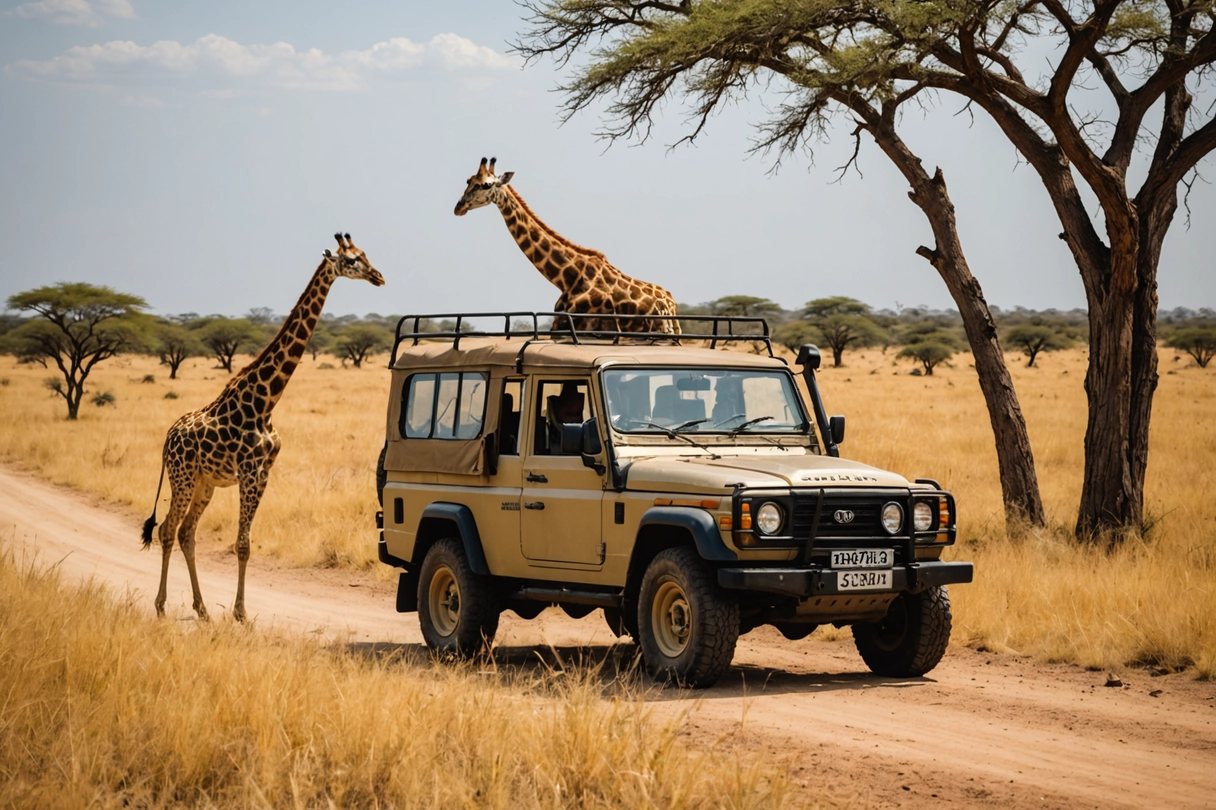
Enter the African safari. Over the past decade, Team Safaris has pioneered an approach that uses the wilderness of Southern Africa as a catalyst for profound organizational change. The results are remarkable: teams return home with improved communication, stronger leadership skills, and a renewed sense of shared purpose.
But this isn’t magic. It’s science.
The Stress Response Hypothesis
When teams enter the African wilderness, they immediately encounter a controlled stress environment. Unlike office stress—which is often frustrating and counterproductive—wilderness stress activates what neuroscientists call the “co-active stress response.”
During a wildlife encounter or challenging hiking situation, team members must work together to navigate the experience. This triggers the release of oxytocin (the bonding hormone) and reduces cortisol (the stress hormone). The result? Enhanced trust and psychological safety.
Research from the Society for Human Resource Management shows that teams experiencing controlled stress in novel environments report 23% higher trust levels with colleagues compared to standard team-building exercises.
This phenomenon explains why so many teams report their safari experience was transformative. The shared challenges—spotting wildlife in the early morning, navigating through dense bush, managing unfamiliar cultural environments—create genuine opportunities for bonding that feel authentic rather than forced.
Leadership Development Through Authentic Challenge
One of the most surprising findings from our years of facilitating safari experiences is how wilderness challenges reveal and develop authentic leadership.
In an office setting, leadership is often performance-based. Leaders may succeed through political acumen, impressive presentations, or positional authority. But in the wilderness, leadership becomes purely functional. Can you navigate the group safely? Do you inspire confidence in uncertain situations? Are you making decisions that prioritize the team’s wellbeing?
These genuine leadership tests create what organizational psychologists call “transparent competency displays.” Team members see their leaders and colleagues in raw, unfiltered situations. This builds respect based on actual capability rather than corporate hierarchy.
Furthermore, the wilderness environment naturally levels organizational hierarchies. A CEO becomes just another member of the team when navigating a river crossing or setting up camp. This democratization of experience creates unique leadership insights. Junior team members often discover leadership capabilities they didn’t know they possessed. Senior leaders gain fresh perspectives from colleagues they’ve worked with for years.
This is why our clients report that leadership dynamics fundamentally shift after safari experiences. Teams develop more distributed leadership models, with greater confidence that any team member can step up when needed.
The Lasting Impact: Long-Term Benefits
Perhaps the most remarkable aspect of safari-based team building is its durability. Unlike traditional retreats where team morale improvements fade within weeks, safari experiences show lasting benefits.
A follow-up study of Team Safaris clients conducted 6 months after their experience showed:
- 78% reported sustained improvements in interdepartmental communication
- 82% indicated their teams remained more cohesive than prior to the experience
- 64% reported directly attributing improved project outcomes to insights gained during the safari
- 71% said the experience shifted their thinking about their role in the organization
These statistics reflect something profound: the safari experience doesn’t just provide temporary bonding. It creates new neural pathways and relationship foundations that persist long after participants return to their regular roles.
The science is clear: when you combine controlled stress, authentic challenges, beautiful natural settings, and genuine shared experiences, something transformative happens. It’s not just team building. It’s organizational transformation.
If your team is ready to experience this transformation, Team Safaris is here to guide you. Our expertise in both wildlife experiences and organizational psychology ensures your team gets more than just a vacation—they get a catalyst for meaningful change that will benefit your organization for years to come.