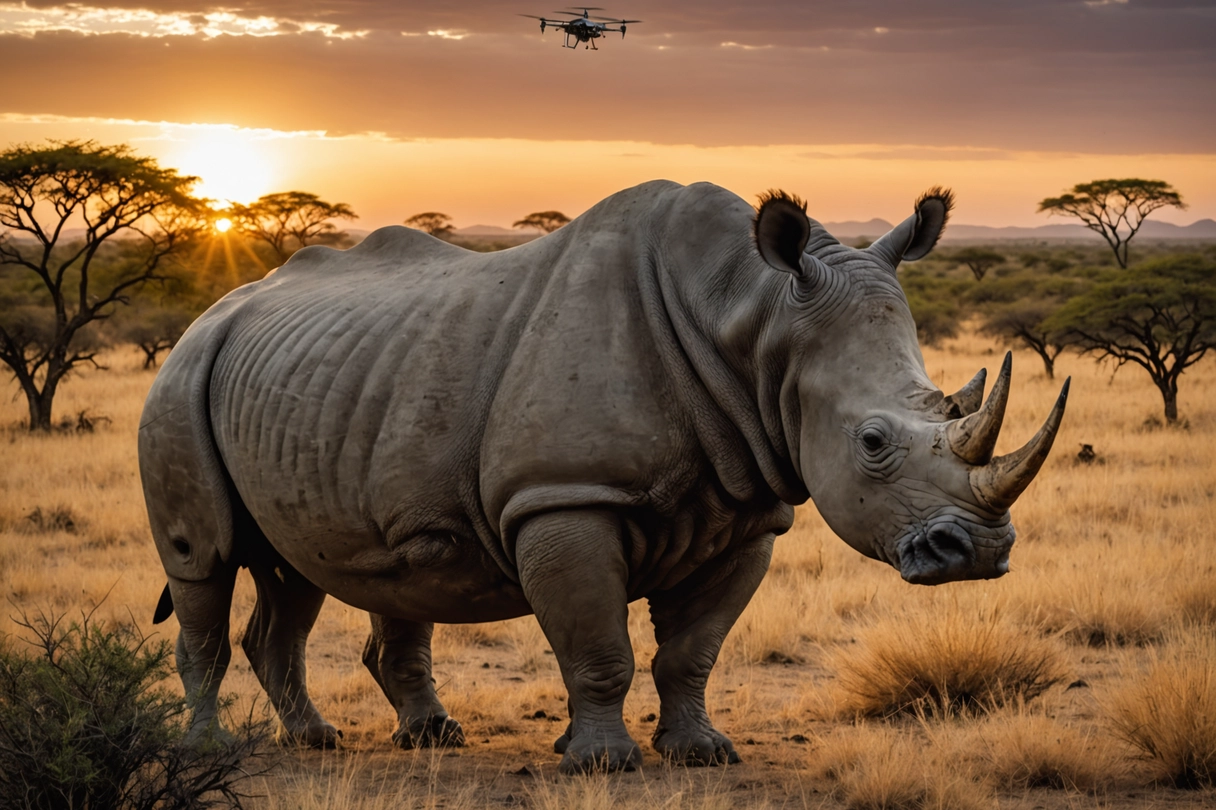
Behind the majestic scenes of lions on the hunt and elephants at the waterhole lies a silent, high-stakes war. Wildlife conservation in Africa has evolved into a sophisticated operation involving cutting-edge technology, community engagement, and tireless dedication from rangers on the front lines.
The Rise of Smart Conservation
In the past, rangers relied solely on visual tracking and luck. Today, reserves are using “Smart Parks” technology. This includes LoRaWAN networks that track everything from ranger movements to rhinoceros locations via horn-embedded sensors. AI-powered cameras at park gates can identify suspicious vehicle patterns, allowing security teams to intercept potential poachers before they even enter the protected areas.
Drones and Aerial Surveillance
Unmanned Aerial Vehicles (UAVs) equipped with thermal imaging are game-changers for night-time patrols. When a gunshot is detected by acoustic sensors in the bush, drones can be deployed immediately to provide real-time coordinates to ground units. This “eye in the sky” significantly reduces the risk to rangers while increasing the capture rate of illegal intruders.
Community-Led Protection
The most effective long-term conservation strategy isn’t technology—it’s people. By ensuring that local communities benefit directly from tourism through jobs, education, and healthcare, reserves transform former poachers into protectors. When a community sees a rhino as a source of sustainable income rather than a one-time payday, the entire ecosystem becomes more resilient.
How You Can Help as a Tourist
Being a responsible tourist is your greatest contribution. Avoid posting photos with GPS coordinates (turn off geo-tagging on your phone), choose lodges with strong conservation credentials, and consider donating to reputable NGOs like the Endangered Wildlife Trust. Your safari booking directly funds the salaries of the rangers who keep Africa’s heartbeat alive.