The Ultimate Guide to Seasonal Wildlife Viewing in the Kruger National Park: When to See What
The Kruger National Park is a year-round wildlife viewing destination, but the experience can vary greatly depending on the season. To truly maximize your safari, understanding the ebb and flow of nature is vital. Here’s a comprehensive breakdown of what to expect during each season in Africa’s premier wildlife reserve.
Dry Season (May-August): The Prime Viewing Window
The dry winter season is widely considered the best time to see wildlife in the Kruger National Park. With virtually no rainfall, the lush summer vegetation thins out and turns brown, significantly increasing visibility through the bush. More importantly, animals congregate around the remaining permanent water sources like rivers and man-made waterholes, making them much easier to find.
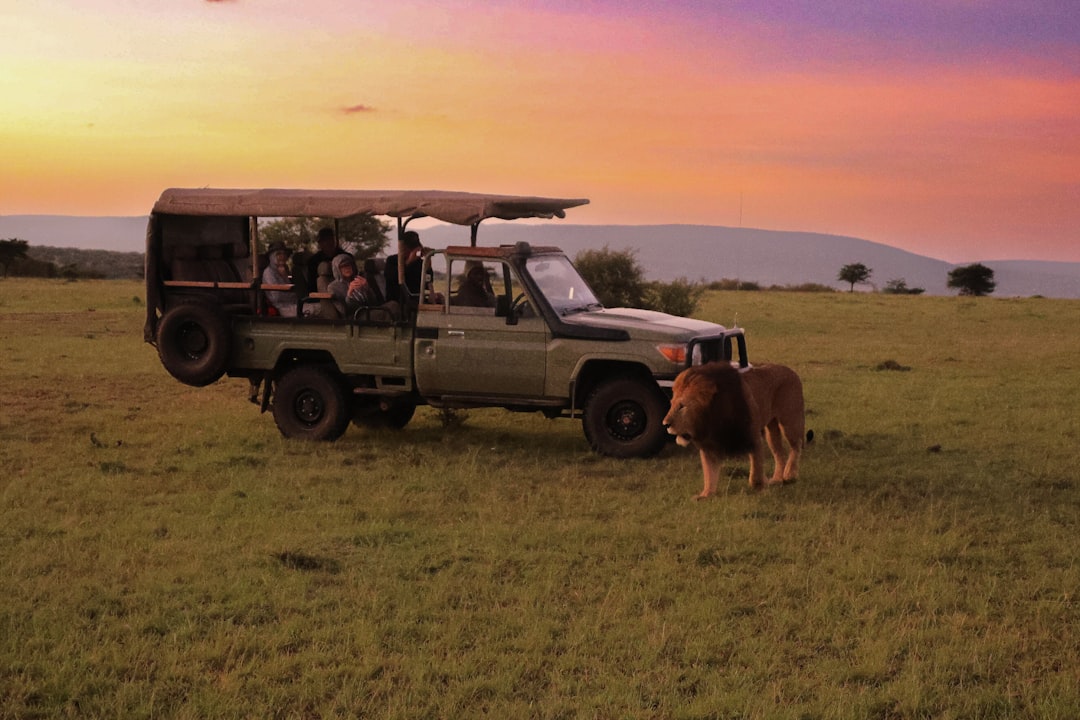
Animal Behaviors: During the dry season, the climate is temperate. Animals are more active during the cooler early morning and late afternoon hours, making these the golden windows for game drives. Predators, such as lions and leopards, are also more visible as they frequent waterholes to ambush thirsty prey. This is the peak season for spotting the Big Five.
Travel Tips:
- Book Ahead: This is the most popular time for international travelers, so lodge availability vanishes quickly.
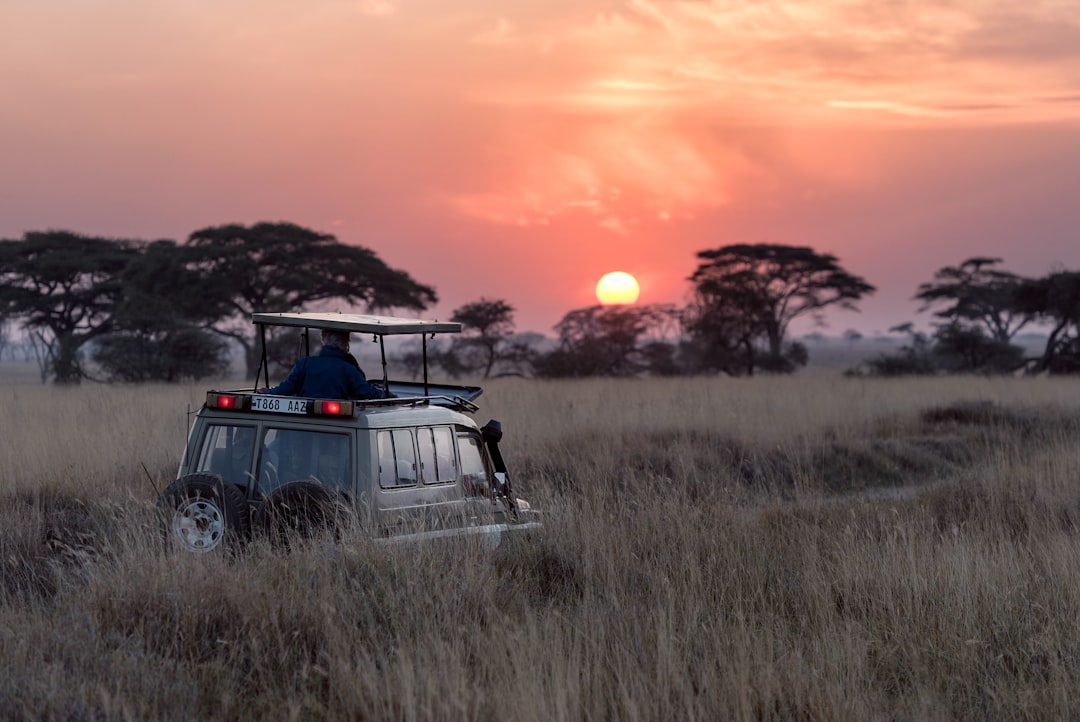
- Layer Up: While days are sunny and mild, early morning and evening drives in open vehicles are bone-chillingly cold. Bring a heavy jacket, scarf, and beanie.
- Sun Protection: The winter sun is deceptively strong; don’t forget your sunscreen.
Wet Season (November-March): The Season of Abundance
The arrival of the summer rains transforms the Kruger into a lush, green paradise. While the dense foliage can make spotting animals slightly more challenging, the “Green Season” offers unique wonders that the dry season cannot match.
Animal Behaviors: This is the lambing and calving season for many species, particularly impala. Watching thousands of newborns take their first steps is a heart-warming sight. It’s also the best time for birdwatchers, as migratory birds from the northern hemisphere arrive in their thousands, filling the air with color and song.
Travel Tips:
- Photography: The air is clear of dust, and the vibrant green backdrops make for stunning, high-contrast photography.
- Health: This is the peak time for mosquitoes. Ensure you use repellent and consult your doctor regarding malaria prophylaxis.
- Vehicle Choice: Summer storms can make dirt roads muddy; a vehicle with good ground clearance is recommended.
The Shoulder Months (September-October & April)
September and October are often the hottest months, but they offer incredible game viewing as the bush is at its driest just before the rains. Conversely, April marks the end of summer, offering pleasant temperatures and lingering green landscapes before the winter chill sets in.
Why Team Safaris? At Team Safaris, we specialize in understanding these nuances. Our expert guides know exactly which regions of the park thrive in specific months, ensuring that whether you visit in the dusty winter or the emerald summer, your experience is nothing short of legendary. We tailor every itinerary to the current environmental conditions, giving you the best seat in the house for nature’s greatest show.