Mastering Wildlife Photography: A Beginner’s Guide to Capturing the Perfect Shot on Safari
There is nothing quite like the rush of seeing a leopard in the wild for the first time. Your instinct is to grab your camera and start clicking. But wildlife photography is an art form that requires patience, technical skill, and a deep respect for your subjects. This guide will help you move from “snapshots” to gallery-worthy images.
The Essential Gear List
You don’t need the most expensive kit to start, but specific tools are indispensable:
- A Telephoto Lens: Aim for at least 300mm to 400mm. This allows you to fill the frame with the animal without disturbing it.
- A Sturdy Beanbag: Tripods are cumbersome in a safari vehicle. A beanbag draped over the window sill or roll bar provides the perfect stable platform for long lenses.
- Lens Cleaning Kit: The African bush is incredibly dusty. Dust on your lens ruins images; keep a blower and microfiber cloth handy.
Nailing Your Camera Settings
Wildlife doesn’t sit still. To freeze that lion’s roar or an eagle’s flight, you need to master your settings:
- Shutter Speed: This is your most important setting. Keep it above 1/1000s for moving animals and even higher for birds.
- Aperture (f-stop): Use a wide aperture (like f/4 or f/5.6) to create a “bokeh” effect—where the animal is sharp and the background is beautifully blurred.
- ISO: Don’t be afraid to push your ISO up to 800 or 1600 in the early morning or late afternoon to maintain your fast shutter speed.
Composition: Telling a Story
A good photo isn’t just about the animal; it’s about the environment.
- The Rule of Thirds: Avoid putting the animal directly in the center. Place it on one of the intersecting lines of your grid to create a more dynamic image.
- Leave “Room to Move”: If an animal is looking or walking to the left, leave more space on the left side of the frame. This gives the viewer a sense of where the animal is going.
- Get at Eye Level: Whenever possible, try to photograph the animal at its eye level. This creates a much more intimate and powerful connection than looking down from a high vehicle.
The Ethics of Photography
No photo is worth more than the well-being of the animal. Never ask your guide to drive off-road where prohibited or to get closer than the animal is comfortable with. Respect the silence of the bush and keep your movements inside the vehicle slow and deliberate.
Lighting: The Golden Hour
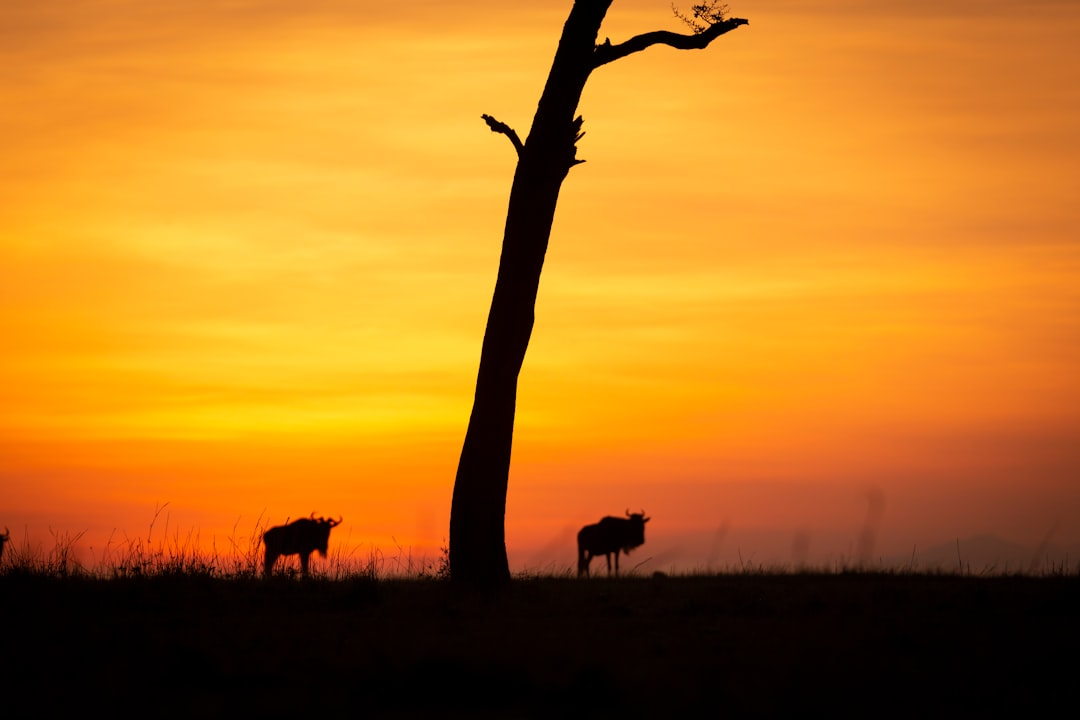
The hour after sunrise and the hour before sunset provide the soft, warm, directional light that photographers dream of. This “Golden Hour” adds a magical quality to your shots that mid-day sun simply cannot match.
How Team Safaris Empowers Photographers: We know that photographers have different needs. Our private safaris allow you to stay at a sighting for as long as you need to get the “perfect shot,” rather than being rushed to the next animal. Our guides understand lighting and positioning, ensuring the vehicle is always in the best possible spot for your lens. Ready to capture the wild? Join Team Safaris for a photographic journey you’ll never forget.