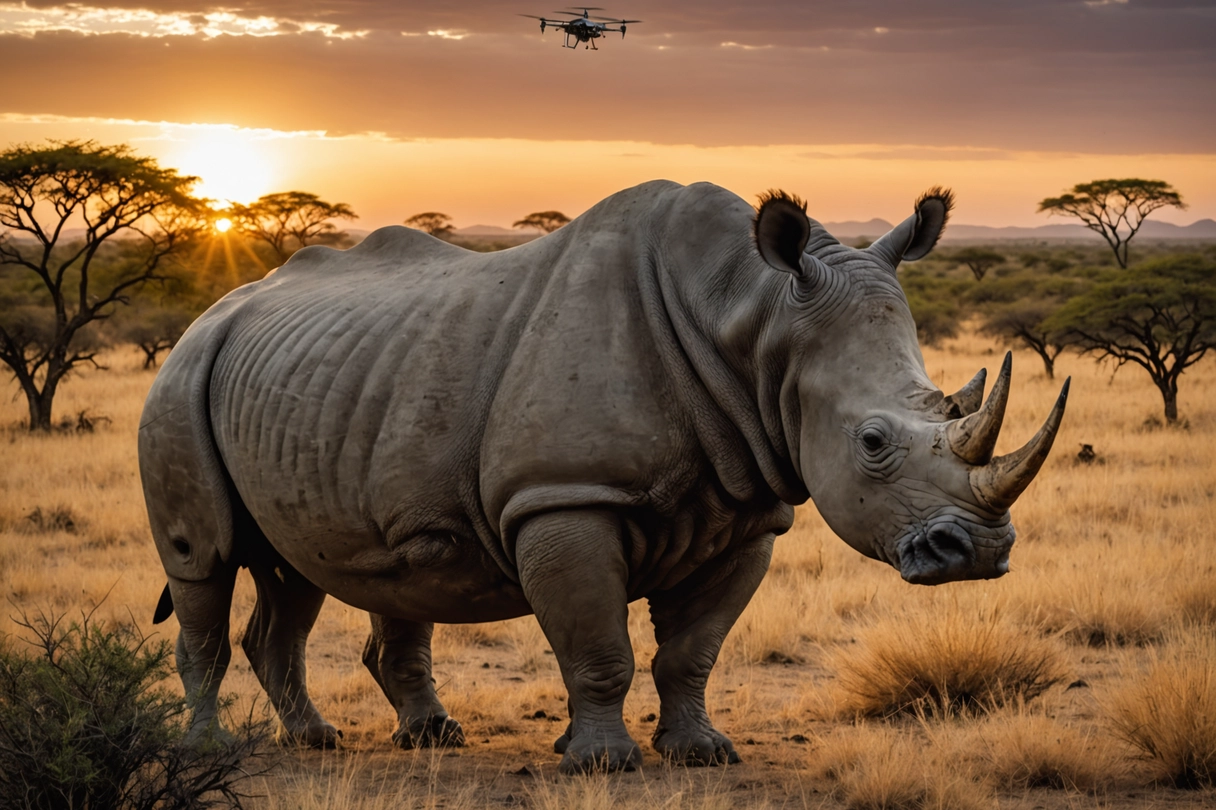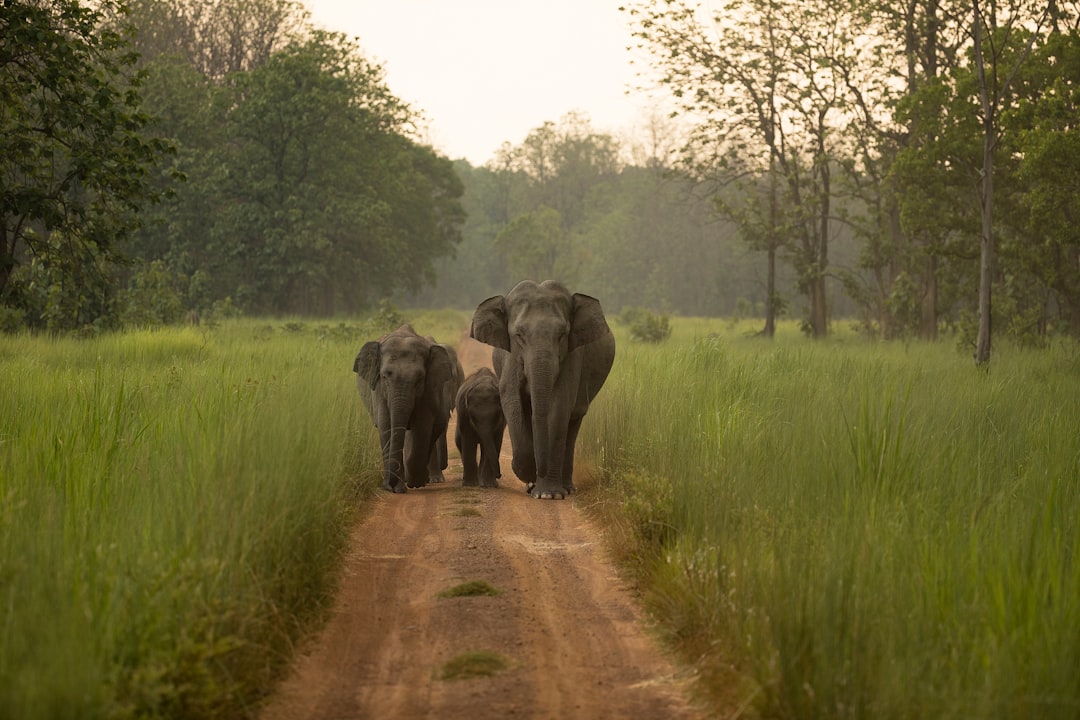
Africa’s wildlife is one of our planet’s greatest treasures. Yet many species face unprecedented threats. From elephant poaching to habitat loss, the future of iconic African animals hangs in balance. But there is hope. Responsible safari tourism is emerging as one of the most powerful conservation tools available.
The paradox seems obvious: bringing tourists into pristine ecosystems could damage them. Yet when done correctly, safari tourism creates powerful economic incentives for wildlife protection, generates crucial funding for conservation programs, and builds global awareness about endangered species.
Team Safaris has made wildlife conservation central to our mission. Every safari we conduct is designed not just to delight our guests, but to contribute meaningfully to the protection of Africa’s remarkable biodiversity.
The Economics of Conservation
Wild animals have tremendous economic value when they’re alive. A single lion can generate $29,000 annually in tourism revenue across its lifetime, while a dead lion generates nothing. This economic reality has transformed conservation in many African regions.
When local communities see tangible economic benefits from wildlife protection, they become powerful allies in conservation. Safari tourism creates jobs as guides, hospitality workers, and support staff. It provides revenue that governments can invest in protected areas, anti-poaching efforts, and wildlife research.
According to the UN World Tourism Organization, international wildlife tourism generates over $29 billion annually in Africa. This economic incentive is now one of the primary reasons many African governments and local communities actively protect endangered species.
Team Safaris contributes directly to this conservation economy. We partner with local guides and communities, ensuring that tourism revenue supports local livelihoods while funding critical conservation work. A portion of every safari booking goes directly to wildlife protection initiatives.
Sustainable Safari Practices: Minimizing Environmental Impact
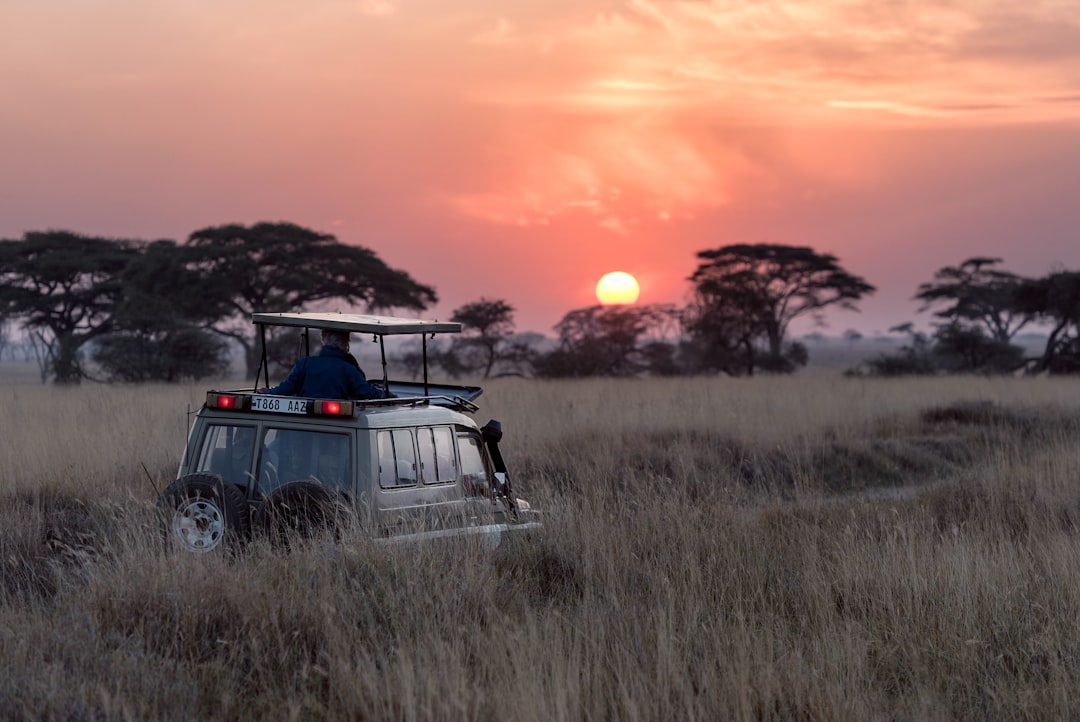
Responsible safari tourism doesn’t just fund conservation—it must also minimize harm to delicate ecosystems. Team Safaris implements comprehensive sustainability practices:
- Limited group sizes to reduce environmental impact
- Strict adherence to wildlife viewing distances to minimize stress on animals
- Use of fuel-efficient vehicles and sustainable transportation
- Partnerships with conservation-certified accommodations
- Education programs that inform visitors about wildlife and conservation challenges
- Support for habitat restoration projects
- Training of guides in wildlife biology and conservation principles
These practices ensure that our safaris actively contribute to ecosystem health rather than degrading it. Our guests leave with not just memories, but a deeper commitment to wildlife conservation.
Conclusion: Your Safari as Conservation Action
When you book a safari with Team Safaris, you’re not just taking a vacation. You’re participating in a global conservation movement. You’re supporting endangered species protection, funding anti-poaching efforts, providing income to local communities, and helping establish the economic case for preserving Africa’s incredible wildlife.
The future of Africa’s wildlife depends on creating sustainable economic models where living animals are worth more than dead ones. Safari tourism is proving that this is possible. Every tour we conduct, every guest we educate, every dollar we contribute to conservation brings us closer to a future where African wildlife thrives for generations to come.
Join us in this crucial work. Experience Africa’s wildlife responsibly, and become part of the conservation solution.